It matches up with the first answer there, but notably the second answer from a native speaker thinks it signals emotion and not pronunciation directly.
Feels I get it. Come to think of it, usually when you speak, in the end of speach your intonation goes down, but with “ッ”, it stays the same, and your emotions show more directly and “loudly”.


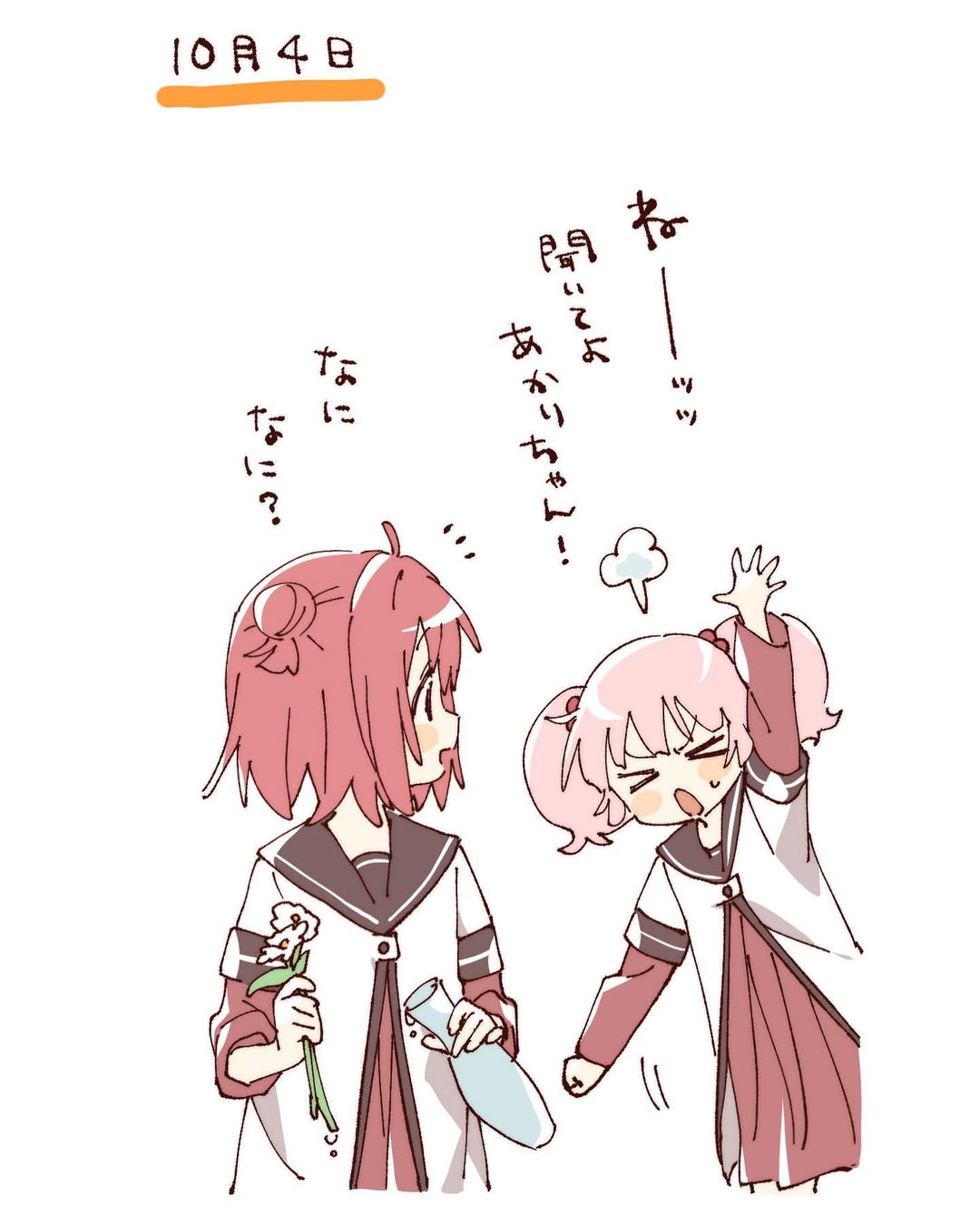
Always wonder how this small tsu ッ (or っ) should be sound. For example in english, what’s difference between
I thought ッ was the opposite of ー. ー Prolongs the sound and ッ cuts it off sharply instead of dawn out.
https://japanese.stackexchange.com/questions/1457/what-does-the-little-っ-tsu-signify-when-at-the-end-of-a-word
It matches up with the first answer there, but notably the second answer from a native speaker thinks it signals emotion and not pronunciation directly.
Feels I get it. Come to think of it, usually when you speak, in the end of speach your intonation goes down, but with “ッ”, it stays the same, and your emotions show more directly and “loudly”.